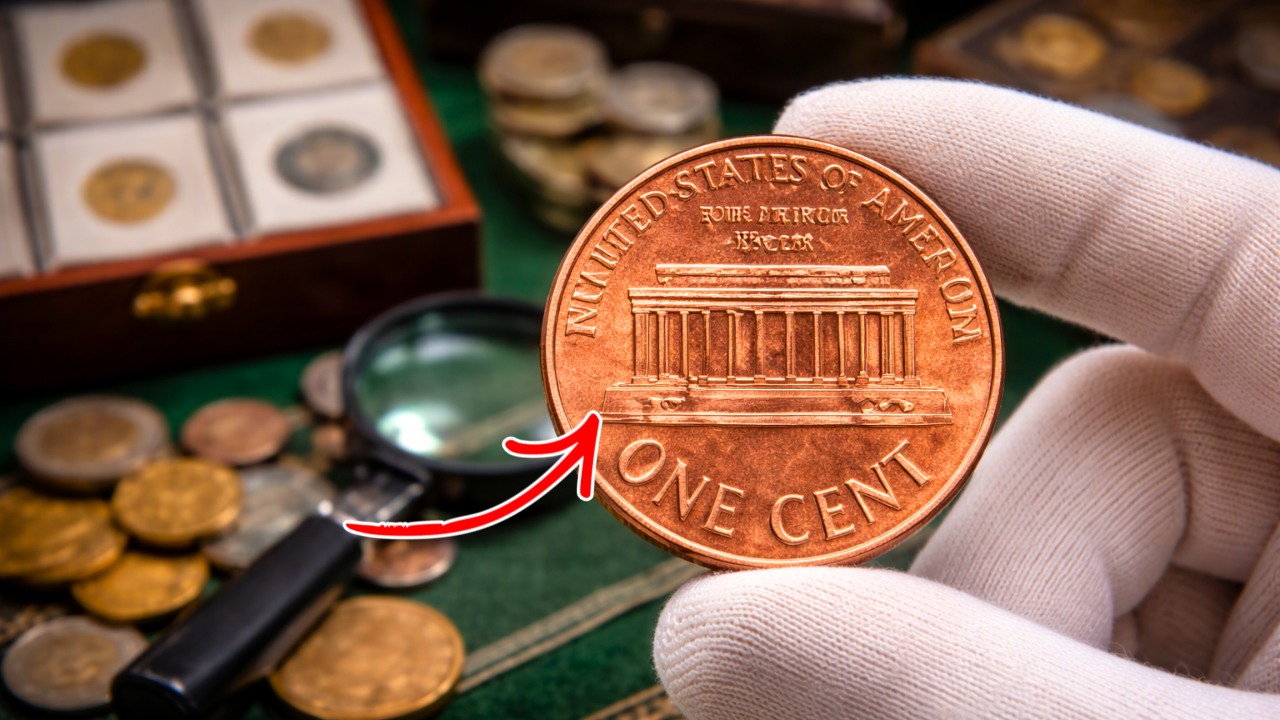
$1,000,000 Penny: That dull-looking penny at the bottom of a jar might be doing a much better job than you think. In the world of rare coins, a single cent can sometimes outperform stocks, real estate, and gold combined. In fact, one specific penny has become so legendary that collectors have paid close to $1 million to own it. No hype, no exaggeration just history, rarity, and a little minting magic colliding at the perfect moment.
So why would anyone spend a fortune on something worth one cent? The answer lies in a handful of extraordinary pennies that were never supposed to exist, yet somehow survived. These are the coins serious collectors are hunting, and one of them could still be hiding in plain sight.
Why Ordinary Pennies Become Extraordinary
Most pennies are mass-produced by the billions. They’re designed to circulate, get scratched, and eventually disappear. But when something goes wrong during production or when history intervenes certain coins break free from the ordinary.
What drives a penny’s value into the hundreds of thousands or even millions is a combination of rarity, condition, historical context, and demand. The fewer examples that exist, and the more dramatic the story behind them, the higher collectors are willing to pay. The most valuable pennies often weren’t intentional special editions. They were accidents, struck during moments of transition when metal compositions, dies, or minting instructions changed.
That’s exactly how the most famous million-dollar penny came to be.
The Lincoln Penny That Should Never Have Existed
The crown jewel of penny collecting is the 1943 copper Lincoln Wheat Penny. During World War II, copper was desperately needed for military equipment, so the U.S. Mint switched penny production to zinc-coated steel. In theory, every 1943 penny should be steel and magnetic.
But a small number of copper planchets from 1942 were accidentally left in the presses. These blanks were struck with 1943 dies, creating copper pennies that officially shouldn’t exist. Only a few dozen authentic examples are known today across all U.S. mints.
Because of their wartime backstory and extreme rarity, these coins have become legends. One specimen in pristine condition sold for more than $1 million at auction, cementing its status as the most valuable penny ever publicly sold.
How Collectors Identify a Million-Dollar Penny
The idea that a penny could be worth a fortune naturally attracts fakes and misidentifications. Collectors rely on a few key characteristics to separate real treasures from common coins.
First is the metal test. A genuine 1943 copper penny is not magnetic, unlike its steel counterparts. Second is weight. Copper pennies weigh more than steel ones, and even slight discrepancies matter. Third is professional authentication. Any coin of this caliber must be verified by a major grading service before it carries serious value.

Condition also plays a massive role. A worn example may still be worth hundreds of thousands, but a flawless, uncirculated coin is where prices skyrocket. For elite collectors, originality and surface quality are everything.
Other Pennies That Reach Jaw-Dropping Prices
While the 1943 copper penny gets most of the attention, it isn’t alone in the six-figure club. Several other pennies have achieved extraordinary valuations over the years.
The 1909-S VDB Lincoln penny, produced in limited numbers and quickly withdrawn, remains one of the most iconic U.S. coins. High-grade examples routinely sell for tens or hundreds of thousands of dollars.
Another standout is the 1955 doubled die penny. Its dramatic doubling on the date and lettering makes it instantly recognizable. Unlike subtle errors, this one can be spotted without magnification, and collectors love it for that reason alone. Top examples have sold for well over $100,000.
These coins prove that value isn’t always about age it’s about rarity, visibility, and story.
Why Collectors Are Still Actively Searching
What keeps excitement alive is the possibility that undiscovered examples still exist. Many rare pennies were found in everyday circulation decades after they were minted. Some sat unnoticed in piggy banks, drawers, or inherited collections.
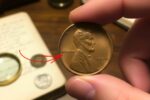
Because pennies were so commonly ignored, they were rarely examined closely. Even today, collectors continue to check old rolls, estate collections, and forgotten jars, hoping to uncover something extraordinary. The thrill isn’t just about money, it’s about discovery.
For serious numismatists, the hunt itself is part of the reward.
Could One Be Sitting in Your Home?
It’s unlikely, but not impossible. While most rare pennies have already been identified, history has shown that surprises still happen. Coins resurface, collections change hands, and overlooked pieces come back into the spotlight.
If you have old pennies, especially from the early to mid-20th century, they’re worth a second look. Pay attention to dates, mint marks, and anything that looks unusual. Even if you don’t find a million-dollar coin, you may uncover something far more valuable than face value.
Sometimes, the smallest objects carry the biggest stories. And in rare cases, a single penny really can change everything.