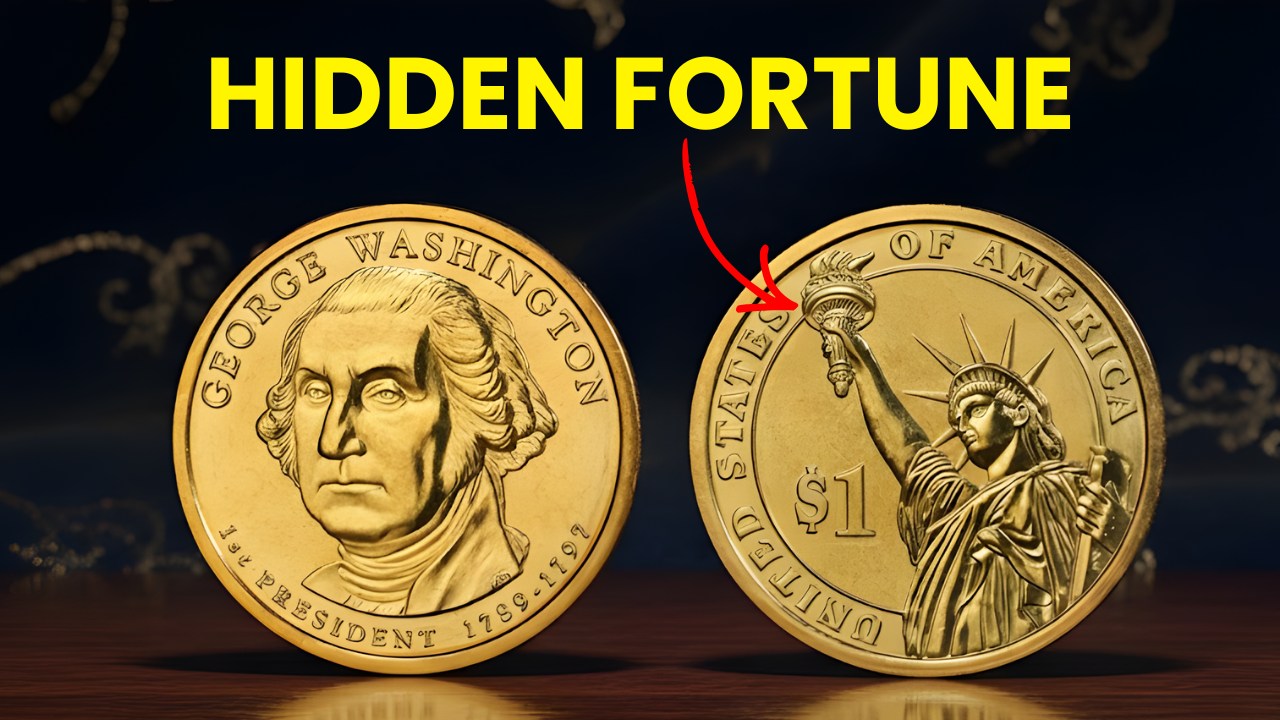
Presidential Dollar Coins: When the Presidential Dollar coin program launched in 2007, most Americans saw the coins as a curiosity rather than a serious collectible. Featuring portraits of past U.S. presidents in the order they served, the series was designed to honor American history while encouraging the use of dollar coins in daily transactions. Nearly two decades later, these coins have gained a different reputation. Certain Presidential dollars, especially those with errors or unusual characteristics, are now worth far more than their face value.
While most Presidential dollar coins are common and easy to find, a small group stands out for their rarity and desirability. Understanding which coins are valuable and why can make the difference between overlooking a treasure and recognizing a serious collector’s item.
Overview of the Presidential Dollar Coin Program
The Presidential $1 Coin Act of 2005 authorized the U.S. Mint to produce coins featuring deceased U.S. presidents. Each coin displays a president’s portrait on the obverse, with the Statue of Liberty on the reverse. Unlike most U.S. coins, the date, mint mark, and mottoes were placed on the edge rather than the face.
The program ran from 2007 through 2016, ending with Ronald Reagan. Although hundreds of millions of coins were minted, circulation demand was low. Many coins went straight into storage or collector hands, which is why most examples remain in excellent condition today.
Why Some Presidential Dollar Coins Are Valuable
Presidential dollars gain value for a few specific reasons. Minting errors are the most important factor, followed by condition, rarity, and collector demand. Because these coins were mass-produced using modern technology, dramatic errors are relatively scarce. When they do occur, they stand out sharply to collectors.
Another factor is public fascination. Edge lettering mistakes and missing inscriptions were widely reported in the media, drawing attention to the series and increasing demand for unusual examples.
Missing Edge Lettering Errors
The most famous and valuable Presidential dollar errors involve missing edge lettering. Normally, the coin’s edge should include the year, mint mark, and inscriptions such as “E Pluribus Unum” and “In God We Trust.”
Some coins escaped the Mint without this lettering. These errors occurred mainly in the early years of the program, especially in 2007.
George Washington dollars with missing edge lettering are among the most collected. Depending on condition, these coins can sell for hundreds or even thousands of dollars. Higher-grade examples with strong luster and no wear are especially desirable.
Doubled Edge Lettering Errors
Another major category is doubled edge lettering. In these cases, the coin passed through the edge-lettering machine twice, resulting in overlapping or doubled inscriptions.
This error is less dramatic than missing lettering but still quite rare. James Madison, Thomas Jefferson, and John Adams dollars with doubled edge lettering are particularly popular with error collectors. Values can range from a few hundred dollars to well over a thousand for pristine examples.
Inverted Edge Lettering
Inverted edge lettering occurs when the orientation of the edge text is upside down relative to the obverse portrait. While technically not a mint error in the traditional sense, collectors still find this variation intriguing.
Some presidents’ coins are more commonly found with one orientation than the other, making certain inverted versions harder to locate. These coins usually command modest premiums but can still be worth significantly more than face value in high grades.
Low-Mintage Presidential Dollar Coins
While error coins dominate the high-value market, mintage figures also matter. Later issues in the Presidential dollar series were produced in much smaller numbers as public demand declined.
Coins featuring presidents like William Henry Harrison, Zachary Taylor, and Millard Fillmore have lower mintages compared to earlier issues. Although these are not rare in the classic sense, uncirculated examples can sell for more than earlier, higher-mintage coins.
Proof versions from the San Francisco Mint are another category to watch. While not rare, complete proof sets in perfect condition are popular among collectors and can appreciate steadily over time.
High-Grade Coins and Condition Rarity
Because so many Presidential dollars were saved immediately after release, condition plays a critical role in value. Coins graded MS67 or higher by professional services are far scarcer than lower-grade examples.
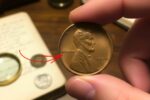
Even a common president’s dollar can become valuable if it survives in exceptionally high condition. Coins with flawless surfaces, strong strikes, and vibrant original luster are the most sought after.
How to Identify Valuable Presidential Dollar Coins
Start by examining the edge carefully. This is where most valuable errors are found. Look for missing inscriptions, doubled lettering, or unusual orientations.
Next, inspect the coin’s overall condition. Contact marks, scratches, or dull surfaces reduce value significantly. Coins that appear untouched and brilliant are always more desirable.
Weighing and measuring the coin can also help identify unusual minting issues, though edge lettering errors are primarily visual.
Authentication and Grading Matters
Professional authentication is essential for any Presidential dollar believed to be valuable. Grading services such as PCGS and NGC can confirm errors, assign a grade, and provide market credibility.
Without certification, even genuine error coins may struggle to reach their full value. Slabbed and graded examples consistently outperform raw coins at auction and private sales.
Market Outlook for Presidential Dollar Coins
Interest in Presidential dollar coins has remained steady, especially among modern error collectors. As time passes and fewer high-grade examples remain available, values for top-tier coins may continue to rise.
That said, collectors should approach the market with realistic expectations. The majority of Presidential dollars are common, and only a small percentage carry significant premiums.
Final Thoughts
Presidential dollar coins prove that modern U.S. coinage can still produce valuable rarities. While most examples are worth only a dollar, a small number of errors and exceptional-condition coins have become highly desirable collectibles.
For those willing to learn the details and look closely, the series offers a fascinating blend of American history and modern minting mysteries. Sometimes, big money really does hide in small change.