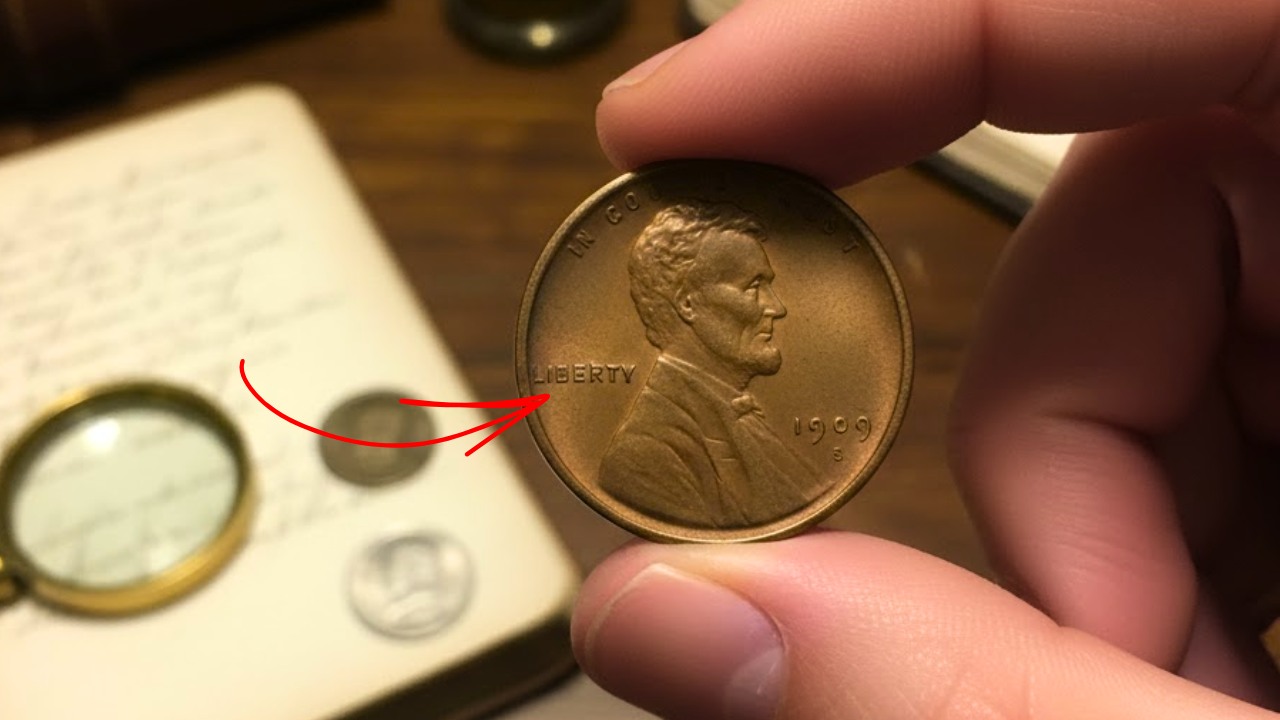
Rare Lincoln Wheat Penny: The Lincoln Wheat penny is one of America’s most beloved coins. It has been in millions of pockets, collections, and piggy banks since its introduction in 1909. Most Wheat pennies are worth only a few cents or dollars, but hidden among them are some exceptionally rare and valuable pieces that draw intense interest from collectors. In 2026, interest in Wheat pennies remains strong especially for rare dates, mint errors, and beautifully preserved examples. In this guide, we’ll explore the coins collectors want most, including those with values approaching $567,000 and beyond.
A Brief History of the Lincoln Wheat Penny
The Lincoln penny was introduced in 1909 to commemorate the 100th anniversary of Abraham Lincoln’s birth. Designed by Victor David Brenner, the obverse features Lincoln’s portrait the first time a U.S. president appeared on a regularly circulating coin. The reverse originally displayed two stalks of wheat, earning these early pennies the nickname “Wheat pennies.”
From 1909 to 1958, Wheat pennies were produced in large quantities, but certain years and mint marks had very low mintages. These low-production coins are the ones that today’s collectors are most interested in.
Why Some Wheat Pennies Are Incredibly Valuable
Most Lincoln Wheat pennies are common and inexpensive. However, certain coins are valuable for one or more of the following reasons:
Rare Date and Mint Mark: Some years and mint combinations had low production numbers, making them scarce today.
Condition: Pennies in pristine, uncirculated condition are far more valuable than worn examples.
Errors and Varieties: Misstrikes, doubled dies, and other production errors can make a penny much more collectible.
Historical Significance: Coins tied to key moments in U.S. minting history can attract premium prices.
In 2026, a few Wheat pennies have sold or are estimated to be worth close to $567,000, though prices can vary widely depending on condition and market demand.
Iconic High-Value Wheat Pennies
Here are some of the rarest and most valuable Lincoln Wheat pennies that collectors want in 2026.
1909-S VDB: The original key date. With Victor David Brenner’s initials (VDB) on the reverse, this penny is legendary. In high-grade condition, it can fetch tens of thousands of dollars, with rare specimens selling for more in top auctions.
1914-D: One of the great rarities of the series, the 1914-D has a low mintage and high demand. In excellent condition, certified examples routinely sell for five figures.
1922 No D: The 1922 Denver issue without a mint mark is one of the most famous rarities in all U.S. coin collecting. Found only in extremely low numbers, well-preserved specimens have sold for hundreds of thousands and the $567,000 figure often referenced reflects top-tier auction results for near-perfect examples.
1931-S: A key date in the San Francisco series, the 1931-S is scarce in all grades. In high condition, it regularly brings strong prices at auction.
1955 Doubled Die Obverse: This striking error shows dramatically doubled lettering on the obverse. While not as scarce as some dates, major examples in high condition can sell for tens of thousands due to collector demand.
Understanding the $567,000 Value
Circulation strikes of rare dates can vary widely in value. The often-cited $567,000 figure is based on peak auction prices for specific Wheat pennies in exceptional condition. For example, a pristine 1922 No D certified at a top grade can command eye-popping prices when multiple serious bidders compete.
It’s important to understand that this is not a typical retail price it’s the result of competitive auction environments, rarity, and collector enthusiasm. Most Wheat pennies, even rare ones, will sell for far less unless they are truly top-tier.
Popular Error Varieties and Their Appeal
Error coins are among the most exciting finds for collectors. Some noteworthy Wheat penny errors include:
Doubled Dies: Coins where the design elements appear doubled due to a misalignment during minting. The 1955 doubled die is the most famous, but other years also have notable varieties.
Off-Center Strikes: These errors occur when the coin is not properly centered during striking. The value depends on how dramatic the off-center strike is.
Broadstrikes: When the collar that shapes the coin fails to engage, resulting in a stretched, flattened appearance. These can be visually striking and collectible.
Clipped Planchets: Occur when a coin blank is cut incompletely, leaving a curved missing section. Some clipped planchets can fetch high prices if well struck.
While most error pennies are not worth six figures, dramatic and well-documented pieces can bring strong premiums.
The Role of Grading and Condition
The condition of a Wheat penny is critical to its value. Collectors use a grading scale that ranges from Poor (heavily worn) to Mint State (perfect condition). Certified grading from reputable services like PCGS or NGC adds confidence and typically boosts a coin’s marketability.
A rare date in poor condition might be worth hundreds or thousands, while the same date in mint state can be worth ten times more or more. For the ultra-rare pieces that reach six-figure values, top grading is almost always essential.
Tips for Finding Valuable Wheat Pennies
Finding a rare Wheat penny can be thrilling. Here are some tips for collectors and hobbyists:
Check old rolls and change: While rare finds are uncommon, it’s not impossible to discover valuable coins in circulated change or bank rolls.
Study mint marks and dates: Knowing which years and mints are scarce helps narrow your search.
Use a magnifying glass or loupe: Errors and varieties can be subtle, and a close look often reveals key details.
Buy from reputable dealers: For serious collecting, work with trusted coin dealers and request certified coins when possible.
Should You Collect Wheat Pennies in 2026?
Yes, for many coin enthusiasts, the Lincoln Wheat penny remains a rewarding and accessible series. Whether you’re just starting out or expanding a long-term collection, Wheat pennies offer a blend of history, beauty, and real financial potential.
While most coins are modest in value, the rarest Lincoln Wheat pennies carry serious auction appeal. And even if you never find a $567,000 coin in your pocket change, the hunt itself is part of the fun.
Collecting Wheat pennies connects you with more than a century of American history. From the iconic 1909-S VDB to dramatic error varieties, these humble copper coins continue to captivate hobbyists around the world in 2026 and beyond.